Scar healing stages describe the way your skin repairs itself after injury, surgery, acne, burns, or trauma. The scar healing process usually moves through four key phases: haemostasis, inflammation, proliferation, and remodelling. Each stage affects how the scar looks, feels, and settles over time.
Every scar has a story. But how it heals is shaped by timing, care, skin type, and the way collagen forms beneath the surface.
At Skin Culture, we take a refined and considered approach to scars and healing. No rush. No over-treatment. Just thoughtful support for your skin as it repairs.
Quick Summary
- The four main scar healing stages are haemostasis, inflammation, proliferation, and remodelling.
- A scar can continue changing for 12 to 24 months, sometimes longer.
- Early scar healing is when the skin is most active and responsive.
- The best scar healing treatment depends on the scar type, age, texture, colour, and your skin history.
- Scar healing cream may support hydration and comfort, but it cannot remodel deeper scar tissue on its own.
- Professional advice can help you understand whether your scar needs active treatment or simple support.
What Are the Main Scar Healing Stages?
The main scar healing stages are:
- Haemostasis, where bleeding stops.
- Inflammation, where the body clears and protects the wound.
- Proliferation, where new tissue and collagen form.
- Remodelling, where the scar slowly matures and settles.
These stages overlap. Your skin does not move through them like a strict calendar.
But understanding the healing stages of a scar can help you know what is normal, what needs support, and when professional advice may help.
Stage 1: Haemostasis
When it happens: Immediately after the skin is wounded
Haemostasis is the body’s first response to injury.
The goal is simple. Stop bleeding. Protect the area. Begin repair.
Platelets gather at the wound. A clot forms. Blood vessels narrow to reduce blood loss. This creates the first temporary structure your skin will use to rebuild.
At this stage, the most important thing is wound protection. The skin needs a clean, safe environment so the healing process can begin without extra irritation.
Stage 2: Inflammation
When it happens: Usually from day 1 to day 10
Inflammation is a normal and necessary part of scar healing.
The area may look red, swollen, warm, or tender. This is your immune system clearing damaged tissue, bacteria, and debris. It is also sending signals that tell the skin to begin rebuilding.
Some inflammation is healthy. Too much inflammation can affect the final scar.
When inflammation is prolonged or excessive, the skin may be more likely to form raised, firm, itchy, or discoloured scar tissue.
This is why early scar care should be gentle. The aim is not to force the skin. It is to keep the healing environment calm and supported.
Stage 3: Proliferation
When it happens: Around day 4 to 6 weeks
This is one of the most active stages of the scarring healing process.
New tissue begins to form. Fibroblasts produce collagen to close and strengthen the wound. New blood vessels develop, which is why fresh scars often look pink, red, or purple.
The wound may also begin to contract as the edges draw together.
During this stage, collagen is still new and unorganised. It has not yet settled into its final structure.
This is why timing matters.
- A newer scar is still changing.
- The tissue is more responsive.
- The skin is still rebuilding.
Stage 4: Remodelling and Maturation
When it happens: From around 3 weeks to 2 years or longer
Remodelling is the long, slow stage of scar healing.
The body begins to refine the scar. Excess collagen may be broken down. Redness may fade. The tissue may soften. The scar may become flatter, lighter, and less noticeable.
This process takes time.
Some scars mature beautifully with simple care. Others may stay raised, tight, red, indented, or uneven in texture.
Once a scar is mature, it can still be improved. But mature scar tissue is usually more stable, which means it may need a more structured treatment plan.
Why the Scar Healing Process Takes Time
Scar healing takes time because the skin is rebuilding deeper tissue, not just closing the surface.
A wound may look healed from the outside within weeks. But under the surface, collagen is still forming, shifting, and strengthening.
This is why scars can change for months.
A scar may:
- Look red or pink at first
- Feel firm, itchy, or tight
- Slowly soften
- Fade in colour
- Flatten over time
- Become less sensitive
- Continue changing for 12 to 24 months
This is normal. But if the scar is becoming raised, painful, very tight, very dark, or uncomfortable, it may need professional assessment.
Scar How to Heal: What Helps Support the Skin?
If you are wondering “scar how to heal,” the answer depends on where your skin is in the healing process.
In the early stages, the focus is protection. Once the wound has closed, the focus becomes hydration, flexibility, sun protection, and guided support where needed.
General scar healing support may include:
- Keeping the wound clean while it heals
- Avoiding picking, scratching, or irritating the area
- Using sunscreen once the skin is closed and exposed to light
- Keeping the scar moisturised
- Using silicone gel or sheets where recommended
- Avoiding harsh actives too early
- Supporting the skin barrier
- Seeking advice if the scar becomes raised, itchy, tight, or discoloured
Simple care can make a difference.
But not every scar needs the same approach.
Does Scar Healing Creams Work?
Scar healing creams can help with surface hydration, comfort, and barrier support.
Some creams may make the scar feel softer or less dry. Silicone-based gels may also help support flatter scar healing in some cases.
But scar healing creams cannot fully remodel deeper scar tissue on its own.
If a scar is raised, indented, thick, pigmented, or textural, it may need more than a topical product.
Creams can support the skin. Professional treatments may help guide deeper change.
What Is the Best Scar Healing Treatment?
There is no single best scar healing treatment for every scar or every skin type.
A fresh surgical scar may need silicone, protection, and careful timing. An acne scar may need collagen support. A stretch mark may respond differently depending on whether it is red, purple, or white. A burn scar may need a slower and more layered approach.
The best approach often involves a personalised plan rather than a single product, which is why many clients explore options like professional stretch mark and scar treatment once their skin is ready.
At Skin Culture, scar care may include supportive skin treatments, LED light therapy, skin needling, peels, pigment support, or more targeted scar work depending on what your skin needs.
For acne-related texture and indented scarring, our acne scar treatment in Perth may be suitable once active acne is under control.
For surgical scarring, we also offer surgical scar revision for scars that need more focused support.
Common Types of Scars and Healing Patterns
Different scars heal in different ways.
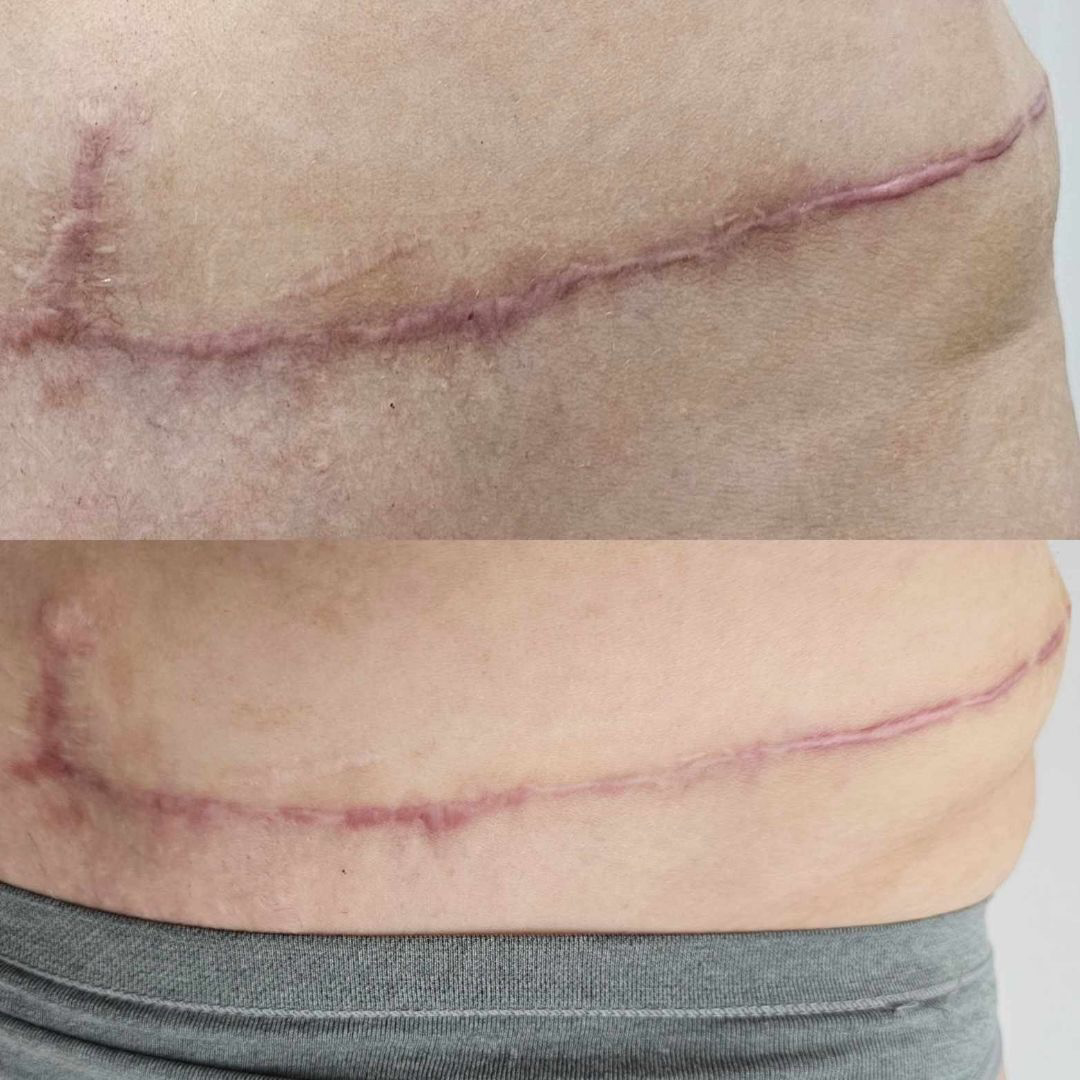
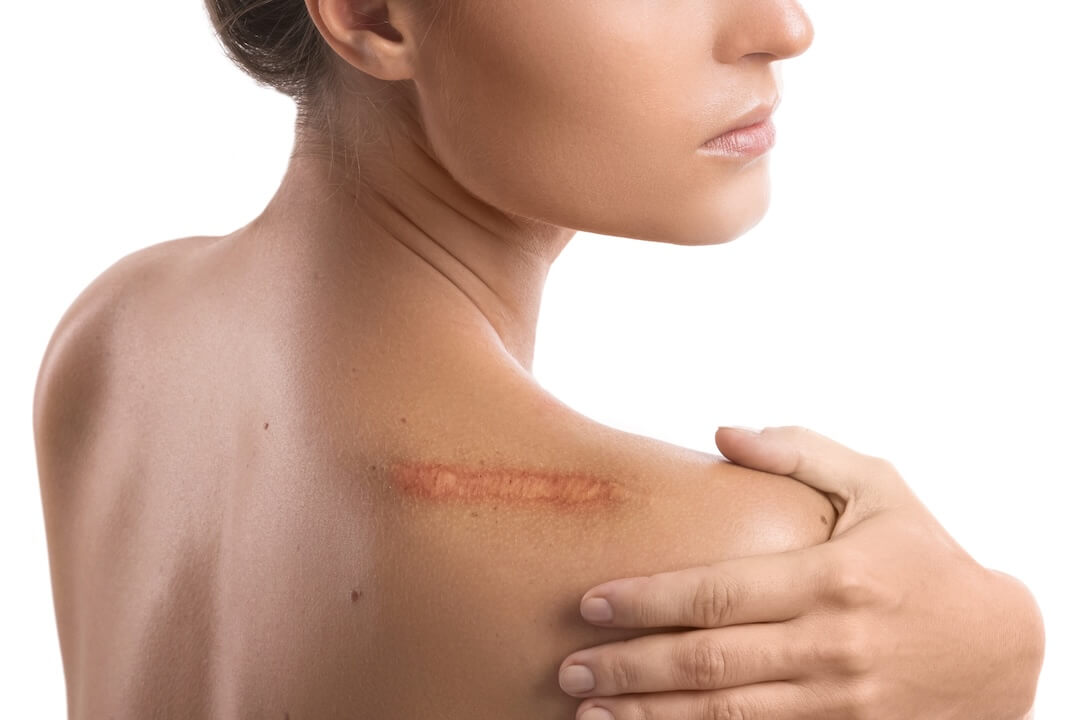
Surgical Scars
Surgical scars are usually controlled wounds, which means they often heal in a cleaner line.
They can still become raised, red, firm, or tight depending on skin type, wound tension, aftercare, and healing history.
Early support may help the scar settle more smoothly.
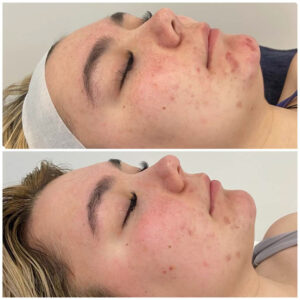
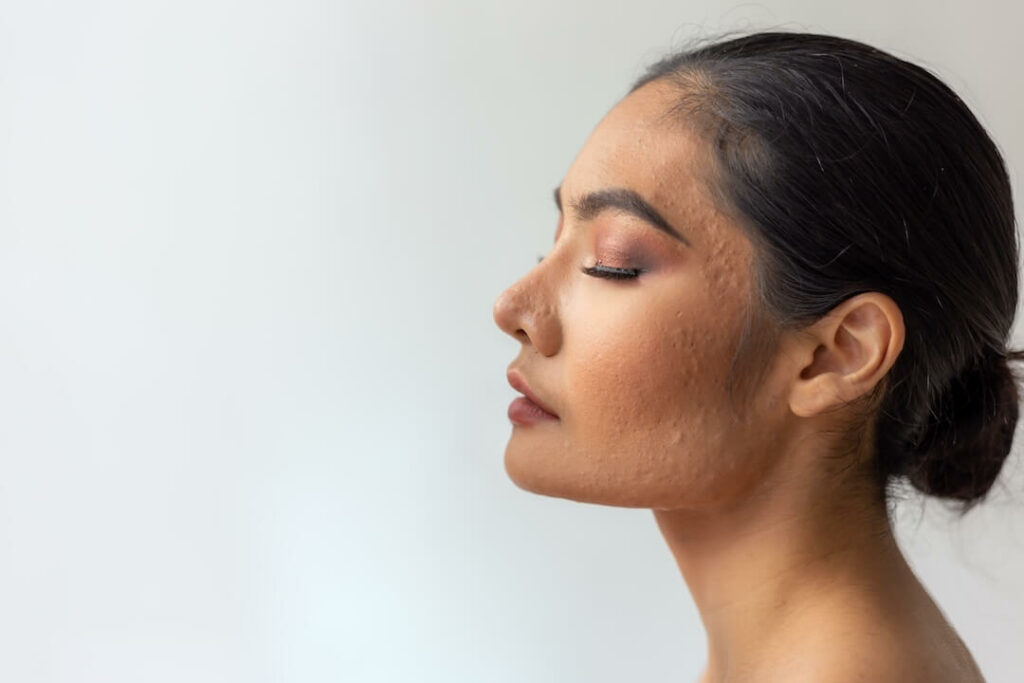
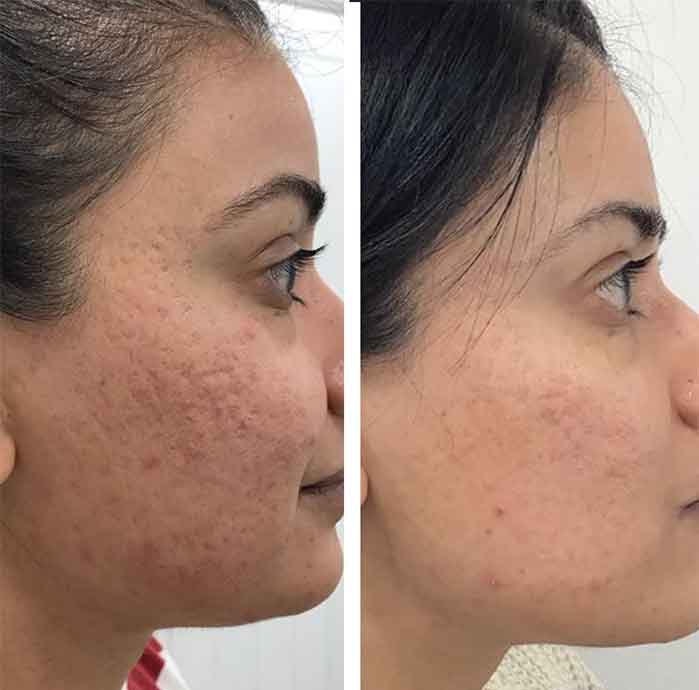
Acne Scars
Acne scars often form after inflammation damages deeper layers of the skin.
They may appear as indented scars, uneven texture, redness, or pigmentation. These scars usually need a tailored approach once active breakouts are controlled.
Hypertrophic Scars
Hypertrophic scars are raised scars that stay within the original wound boundary.
They may feel firm, itchy, or tender. They often form when the skin produces too much collagen during healing.
Burn Scars
Burn scars can involve texture, colour, tightness, and movement changes.
They often need careful, staged care because the injury can affect a larger area of skin.
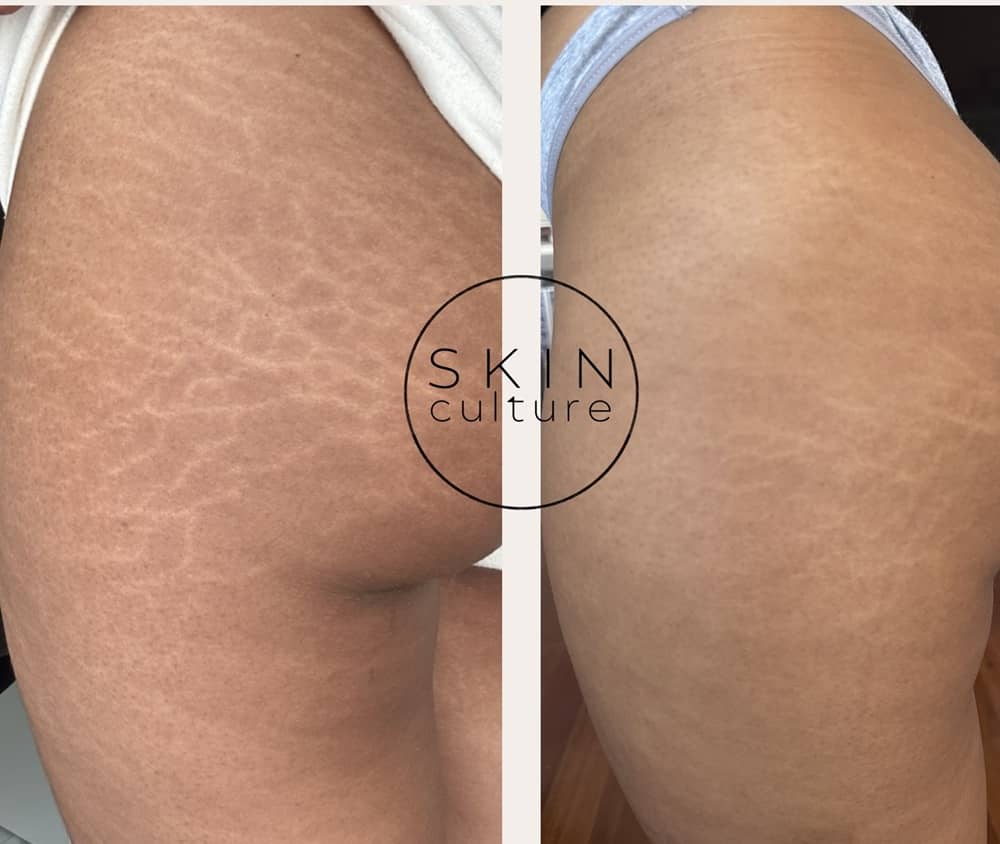
Stretch Marks
Stretch marks are a form of dermal scarring caused by rapid stretching of the skin.
Red, pink, or purple stretch marks are usually newer. White or silver stretch marks are older and more mature.
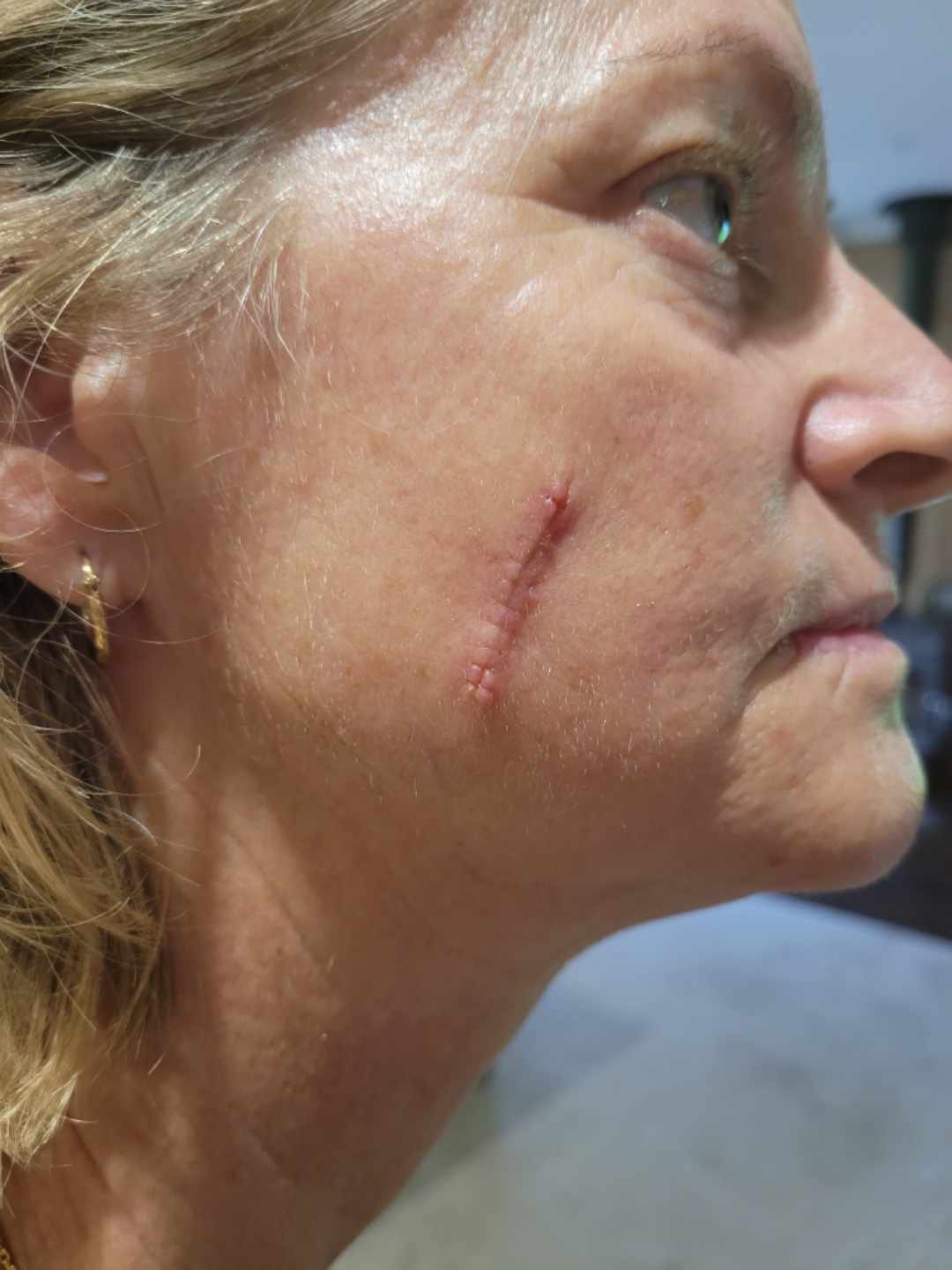
Traumatic Scars
Traumatic scars come from accidents, cuts, abrasions, or unexpected injuries.
Because the wound is not planned, the scar may be uneven, jagged, or deeper in some areas.
When Should You Get a Scar Checked?
You should consider getting a scar checked if:
- The wound has fully closed and you want early guidance
- The scar is becoming raised or firm
- The scar is itchy, painful, or tight
- The colour is becoming very red, dark, or uneven
- The scar sits over an area that moves often
- You have a history of keloid or hypertrophic scarring
- You have acne scarring or uneven skin texture
- You are unsure whether a cream or treatment is right for your scar
You do not need to wait until a scar is fully mature.
Early advice can help you understand what is normal, what to watch, and when to begin treatment safely.
What This Means for Your Scar Healing Journey
Scar healing is not instant. It is a slow process of repair, collagen formation, and remodelling.
Some scars settle with simple care. Others need more support.
The most important thing is knowing where your skin is in the healing process and choosing care that respects that stage.
At Skin Culture, we help you take a calm, personalised approach to scar healing. No fluff. No pressure. Just the right thing for your skin.
FAQs About Scar Healing Stages
What are the four scar healing stages?
The four scar healing stages are haemostasis, inflammation, proliferation, and remodelling. These stages help the body stop bleeding, protect the wound, rebuild tissue, and mature the scar over time.
How long does scar healing take?
Scar healing can take 12 to 24 months. Some scars continue changing for longer, especially deeper scars, burn scars, surgical scars, or scars affected by tension and inflammation.
When does a scar start to fade?
A scar may start fading after the early inflammatory and proliferative stages. Many scars slowly fade during the remodelling stage, which can last months or years.
What helps scars heal better?
Good wound care, sun protection, hydration, silicone where appropriate, and avoiding irritation can support better scar healing. Professional advice may help if the scar is raised, tight, red, indented, or discoloured.
Is scar healing cream enough?
Scar healing cream may help keep the skin hydrated and comfortable. It may not be enough for deeper texture, raised scars, acne scars, or pigmentation concerns.
Can old scars still improve?
Yes. Older scars can still improve, but they may need more time and a more structured approach because the collagen has already matured.